
Tongue-tie and oral restrictions, released with precision.
Advanced laser technology to optimally release your baby’s tongue-tie or lip-tie in a precise, quick, and sedation-free procedure.
- Board CertifiedPediatric Dentist
- CO2 LaserAdvanced Technology
- 0%Sedation Required
- LocalRichmond Hill Experts
Help your baby eat, sleep, and speak better.
We use advanced laser technology to optimally release your baby’s tongue-tie or lip-tie in a precise, quick, and sedation-free procedure. Give your baby the freedom to thrive.
How can one tiny string cause so much trouble?
A tongue or lip-tie isn’t just about appearance, it’s about function. If you notice these symptoms, a professional evaluation can provide clarity.
Newborn infants
- Struggle to nurse or take a bottle
- Clicking or smacking noises when eating
- Slow or poor weight gain
- Reflux or colic-like symptoms
- Painful nursing for mom (nipple damage)
Older babies and children
- Not babbling
- Restless sleep or mouth breathing
- Choking or gagging on certain textures
- Picky eating (avoiding meat, veggies, or mixed foods)
- Constant congestion or ear infections
“Having a tongue-tie can feel like running with your shoelaces tied together.” While it’s doable, it doesn’t have to be so hard. A tongue-tie can make eating, sleeping, breathing, or speaking harder than it needs to be.
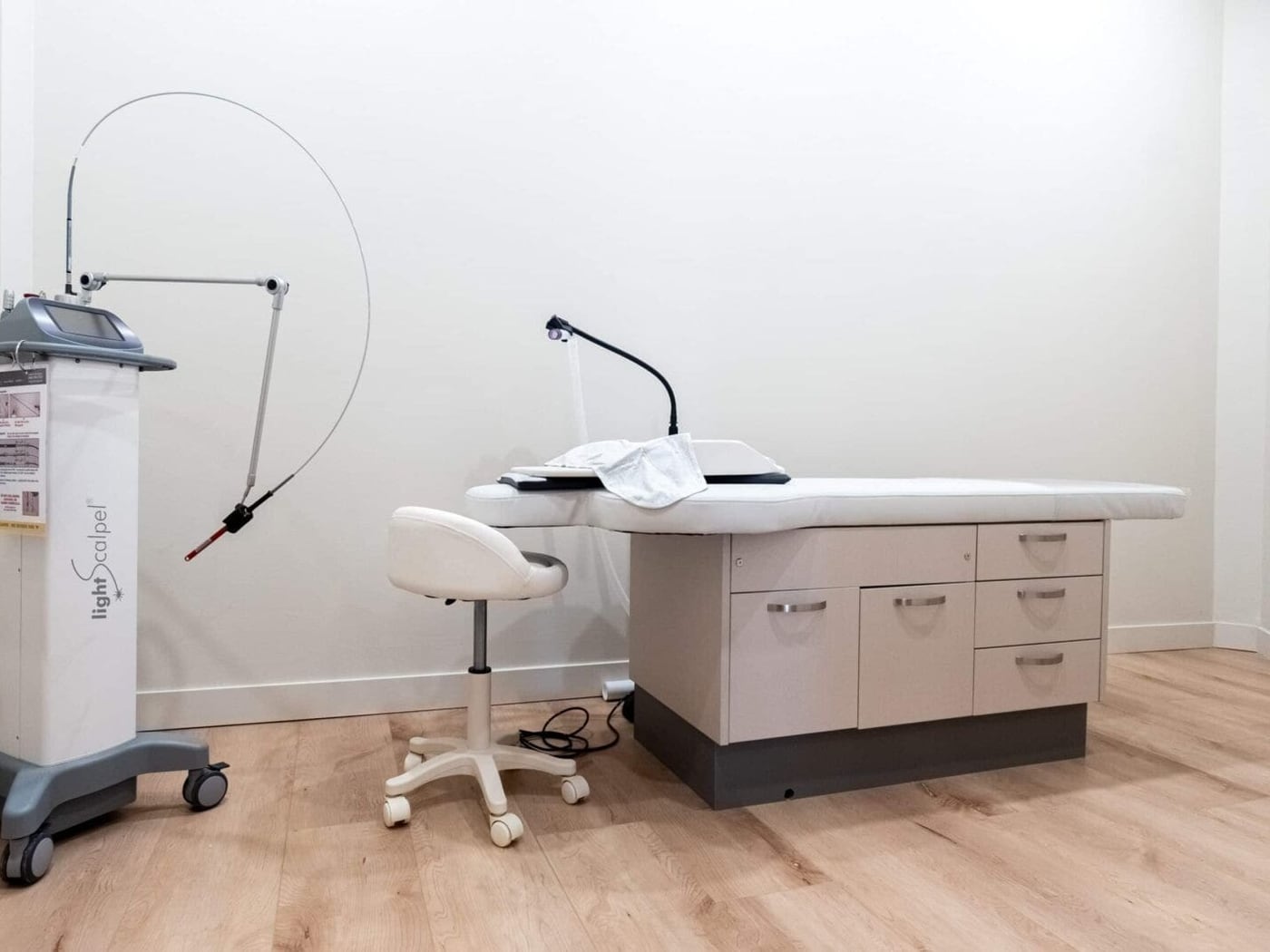
A procedure optimized for comfort and speed.
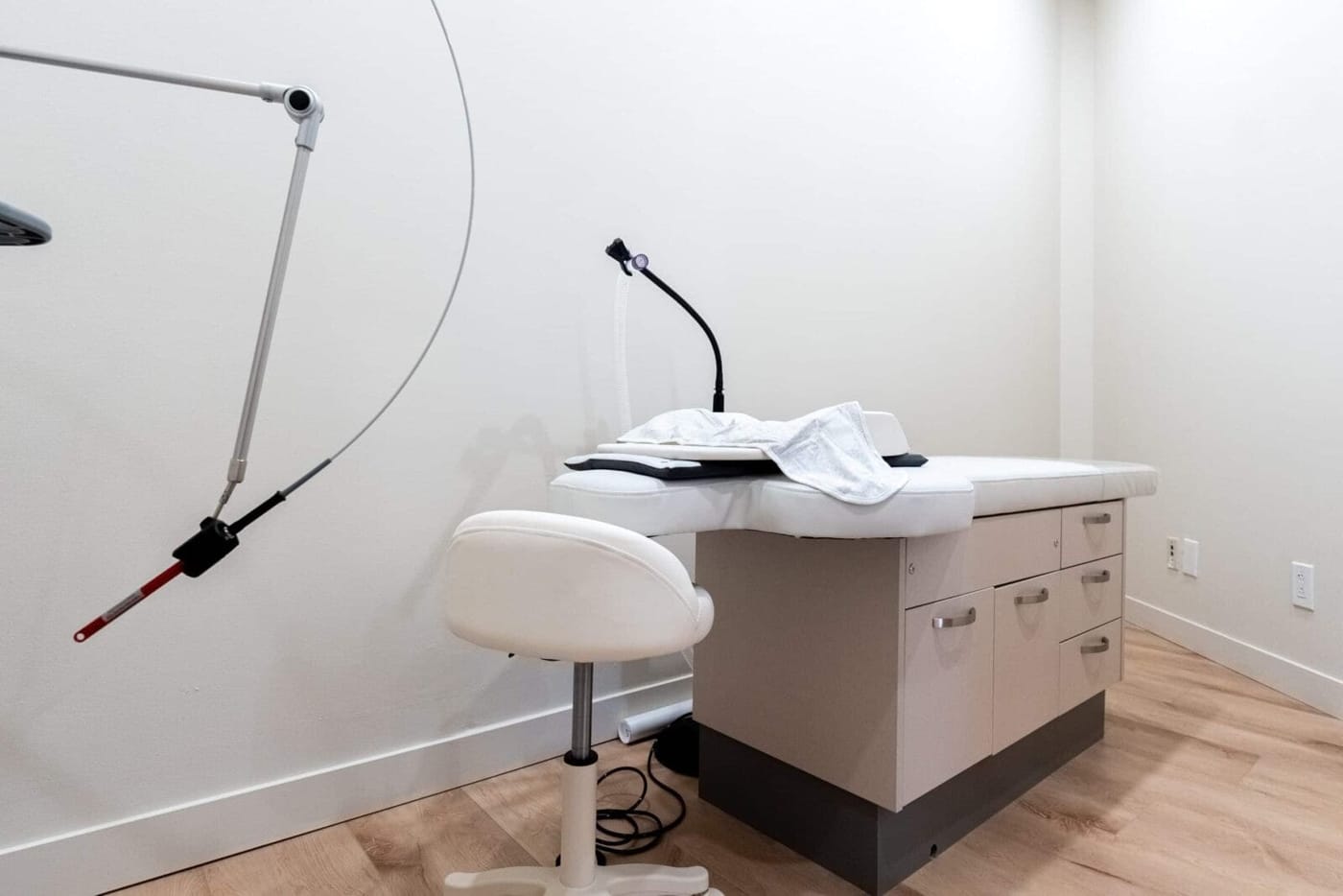
We use the LightScalpel CO2 Laser, the gold standard in pediatric oral surgery. Unlike scalpels, scissors, or older lasers, our technology allows for a precise release that promotes faster healing, less bleeding, and less scar tissue.
Under 30 seconds
The actual release is incredibly fast, minimizing invasiveness and interruption.
No sedation
Our technique is so precise that general anesthesia is not required.
Instant feeding
We support immediate nursing or bottle feeding right after the procedure for comfort and function.
Minimal discomfort
The laser seals nerve endings and blood vessels, leading to significantly less invasiveness.
The Integrated Oral Restrictions Journey
We believe a release is only one part of the solution. We bring together key specialists across five steps to ensure lasting success.
- 1
Lactation observation (IBCLC)
Assessment of latch, milk transfer, and feeding mechanics before the procedure.
- 2
Pediatric dental assessment
A functional anatomical exam of the tongue, lip, and oral tissues by the pediatric dentist.
- 3
Neuromuscular therapy, pre-op
Addressing oral motor strength, coordination, and sensory processing for the most successful release.
- 4
Laser functional release
Quick, precise release using the LightScalpel CO2 laser, with immediate post-feed support from the IBCLC.
- 5
Neuromuscular re-education, post-op
Optimizing oral motor and postural strength, coordination, endurance, and sensory function for long-term function.

Function focus
We don’t just clip strings. We support the biological ability to breastfeed, breathe, eat, and speak with confidence.
Why laser
Less bleeding. Faster healing. Minimal discomfort.
York Region families on their tongue-tie care
“We brought our newborn in for help with feeding and a consultation for a possible tongue tie, and we felt so supported from the moment we arrived. Kimberly and Suyin were absolutely amazing with our baby girl, as well as with my husband and myself.”
Karley B. · Verified Mom “Dr. Murray examined our child and quickly diagnosed a posterior tongue tie. Knowledgeable and patient, he quickly put us at ease about any concerns we had. It has made a huge difference in nursing our child.”
Josh C. · Verified Parent “Navigating a tongue tie diagnosis and release for our son in those early weeks felt overwhelming, but everyone at The New Years made the entire process informative, smooth, and reassuring.”
Joyce L. · Verified Mom
Answers for families
Is the procedure painful?
The technology of the CO2 laser on nerve endings, blood and lymphatic vessels results in less post-operative pain, reduced risk of infection, and decreased scar formation. While infants may cry due to the strange sensation or being held still, the procedure itself is quick (often less than 30 seconds) and many babies nurse immediately after for comfort.
Will my infant need sedation?
No. For infants, we use gentle swaddling and topical numbing if necessary. This allows for a safer, faster experience and immediate feeding support.
How long is the recovery?
Initial healing happens within hours. We provide you with a specific set of active wound management stretches to perform over the following 3 weeks to prevent reattachment. This is the most critical part of the process.

The specialist for this
Dr. Grant Murray, DMD
Board Certified Pediatric Dentist | Infant Oral Health Specialist
Dr. Grant is a Board Certified Pediatric Dentist and graduate of Boston University’s Dental and Pediatric Residency programs, with advanced training in infant oral restrictions including tongue- and lip-ties.
Read full bioGive your baby the freedom to thrive.
Book a functional assessment with our oral restrictions team. Serving families across Richmond Hill and York Region.